

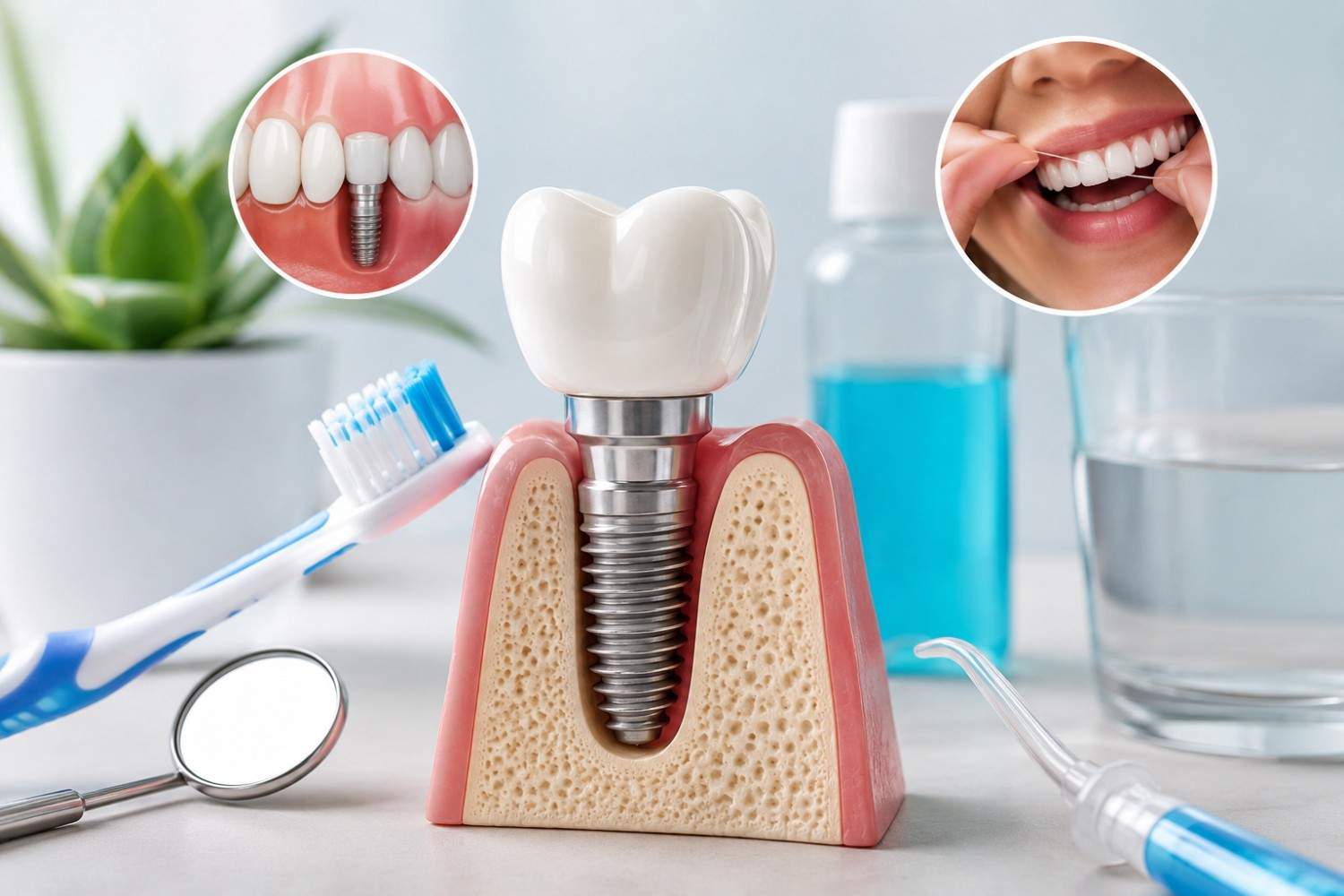
How to maintain the health of dental implants for years? If you care for your dental implants well, they can be comfortable and functional for a long time. Dental implant restorations in Riverview help replace missing teeth so you can chew and speak properly. To help keep the implant and surrounding tissues healthy, brush your teeth regularly, practice good oral care, and have regular checkups.
A consistent care routine helps prevent problems and supports the long-term success of the implant.
Why Is Proper Care Important After Implant Restoration?
Dental implants are strong replacements for missing teeth, but they still require regular maintenance. The restoration placed on top of the implant can collect plaque and bacteria if it is not cleaned properly.
Good care helps:
- Keep the implant area clean.
- Support healthy gums
- Prevent buildup around the restoration.
- Maintain a natural-looking smile.
Just like natural teeth, implant restorations need daily attention to stay in good condition.
What Daily Habits Help Protect Implant Restorations?
A simple daily routine can make a big difference in implant health. Cleaning around the implant helps remove food particles and plaque that may affect the surrounding gums.
Beneficial habits include:
- Brush Your Teeth Twice Daily With a Soft Toothbrush.
- Careful cleansing around the implant.
- Utilizing floss or approved cleaning tools.
- When the prosthodontist near you suggests a mouth rinse, do so.
Cleaning the area around the restoration improves the environment.
How Does Professional Cleaning Support Implant Health?
While home care is important, dental professional monitoring is essential to monitor implant restorations. A dentist can check the condition of the restoration, the gums, and the surrounding area.
A prosthodontist in Riverview can provide specialized treatment for partial or full-mouth dentures. Regular checkups allow early detection of changes and help preserve the investment in implant treatment.
What Foods Should Be Avoided After Implant Restoration?
After receiving an implant restoration, choosing the right foods can help protect the new tooth. Hard or extremely sticky foods may place extra pressure on the restoration.
Be cautious while consuming the following:
- Tough candy
- Ice
- Extremely sticky snacks
- Foods needing too much biting force
Eating soft, nutritious foods in moderation can help you chew comfortably without damaging the restoration.
How Can Damage to Implant Restorations Be Prevented?
Although implant restorations are made to handle normal chewing, certain habits can increase the risk of damage. Avoiding harmful habits helps maintain the strength and appearance of the restoration.
Protective steps include:
- Avoiding chewing on hard objects like pens or ice
- Wearing a mouthguard during contact sports is recommended.
- Informing the dental team about any discomfort or changes
- Following all care instructions after treatment
Small preventive steps can help reduce unnecessary stress on the implant.
How Are Single Tooth Implants Maintained?
A single missing tooth can often be replaced with an implant-supported restoration that looks and functions like a natural tooth. Even though it is not a natural tooth, the area still needs proper cleaning and monitoring.
Single tooth implants in Riverview require the same attention as other implant restorations. Keeping the area clean and attending regular appointments helps support healthy gums and stable results.
What Signs Should Be Checked After Implant Restoration?
Most prostheses placed on implants function very well with the right care. But that does not mean changes do not often happen. By properly addressing small matters from the beginning, greater problems can be avoided.
Signs that may need a dental check include:
- Changes in how the implant feels
- Swollen or red gums
- Pain while chewing
- A restoration that feels loose
- Trouble cleaning around the implant
A dental checkup can help find the problem and provide the right care.
How Often Should Implant Restorations Be Checked?
Regular dental appointments allow the condition of the implant and restoration to be monitored over time. The recommended schedule may depend on oral health needs and the condition of the implant.
During checks, the dental team will:
- Check the restoration.
- Examine gum wellness.
- Clean your habits.
- Address any concerns.
- Keep checking up for long-term health.
Protect Your Smile With Long-Term Implant Care!
Keeping your implant restoration healthy requires daily care, regular dental visits, and watching for any changes. Good care can help maintain the comfort, function, and look of your smile for many years. Schedule a consultation today to learn about personalized implant restoration care with Prosthodontics and Implant Therapy.
FAQs
How long do implant restorations last?
With good care, regular cleaning, and dental checkups, implant restorations can last for many years. Their lifespan depends on your oral health, daily habits, and how well you care for them.
Are implant restorations difficult to clean?
No. Implant restorations can usually be cleaned with regular brushing and recommended cleaning methods. Proper techniques help remove plaque and protect the surrounding gums.
Can implant restorations be damaged?
Absolutely. While implant restorations are strong, they can break when subjected to excessive force, such as chewing hard food or engaging in certain habits. If you listen to your dentist, your teeth might be protected.
Are special toothbrushes and toothpaste needed for implants?
Some individuals may require specific cleaning tools recommended by their dentist. Your implant and oral care needs determine which products are right for you.