

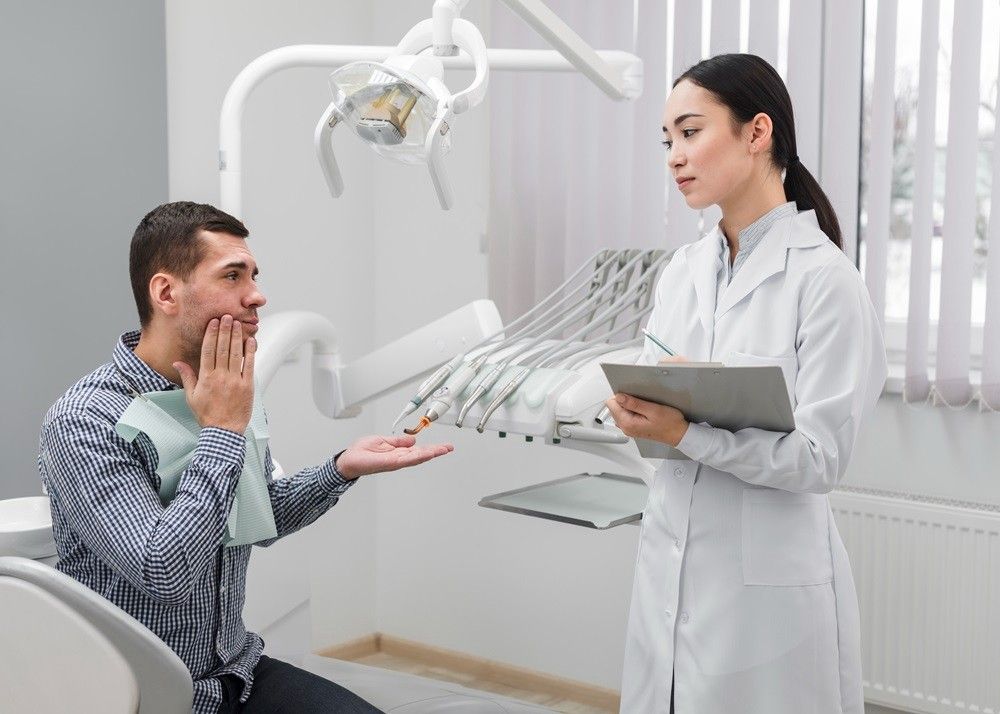
What is the first step during a sudden dental emergency? A severe toothache, a broken tooth, or a mouth injury can be scary and painful. Don’t wait too long to visit the dentist. Dental problems may start small but can quickly grow into bigger issues if you don’t act. Reach out to to for emergency dentistry in Riverview early on to relieve pain and protect your teeth from long-term damage.
This guide explains why quick action matters, what counts as a dental emergency, and how early care helps protect your smile.
What is Considered a Dental Emergency?
A dental emergency is any problem with your teeth, gums, or mouth that needs fast attention. These problems often cause pain, bleeding, or swelling. Waiting too long can make the issue more complicated to treat.
Common dental emergencies include:
- Severe tooth pain that does not go away
- A cracked, broken, or knocked-out tooth
- Swollen gums or face
- Bleeding that does not stop.
- Infection signs like pus or fever
These signs mean your mouth needs care as soon as possible.
Why Acting Fast Can Save Your Tooth
When dental issues are addressed early, the chances of saving the tooth are greater. As long as treatment is received swiftly, a cracked tooth can be fixed. Waiting too long can allow bacteria to infect the tooth, leading to an abscess.
Quick care assists.
- Stop the pain from hurting more.
- Keep infection from spreading.
- Make complex treatments unnecessary.
- Shield adjacent teeth and gums.
Taking immediate action stops small things from growing into big problems.
How Dental Emergencies Affect Overall Health
Your mouth is connected to the rest of your body. An untreated mouth infection can spread and affect overall health. Swelling or infection can also make it hard to eat, sleep, or focus.
Ignoring dental emergencies may lead to:
- Trouble chewing and speaking
- Poor nutrition due to pain while eating
- Increased risk of infection
- Stress and anxiety
Addressing dental emergencies promptly supports both oral and overall health.
What Happens if You Delay Emergency Dental Care?
Postponing care usually results in greater harm and pain. A minor toothache today can become a severe infection tomorrow. Swelling might persist, and better treatment might take longer.
Possible risks of delay include.
- Loss of tooth
- Gum impairment
- Infection Spread
- Longer recovery time
Getting early help is usually more manageable and less stressful.
The Role of Restorative Care in Emergencies
Some emergencies can damage a tooth’s structure. In these cases, restorative care helps rebuild function and appearance. Prosthodontics in Riverview focuses on repairing and replacing damaged teeth when emergencies cause serious harm.
This type of care may help with:
- Broken or severely worn teeth
- Missing teeth after injury
- Restoring bite balance
- Supporting long-term oral function
Early emergency care makes restorative solutions more effective.
Signs You Should Never Ignore
Some symptoms may seem innocuous at first, but may indicate something serious. Informed decision-making has a strategic timing.
Do not ignore:
- Tooth pain that is sharp or throbbing.
- Inflation of the gums or jaw.
- Tenderness that becomes more severe suddenly.
- Movement of a tooth.
These symptoms are often an indication that your tooth and/or gums may be under stress and may need care.
How Emergency Dental Care Reduces Pain Faster
People often seek help due to emotional pain. The primary aim of Emergency dental care is to identify the cause of the pain. This may mean cleaning up the area, stabilizing the tooth, or relieving any pressure.
Quick response saves lives.
- Calm nerve pain
- Reduce swelling
- Stop any further irritation
- Restore comfort
Receiving assistance promptly results in spending less time in discomfort.
When Tooth Replacement Becomes Necessary
In rare cases, a tooth cannot be saved; tooth replacement is used to restore normal chewing and appearance. Having prosthodontics near you means that damaged or lost teeth can be restored to natural-looking alternatives.
Replacement options help:
- Prevent adjacent teeth from shifting.
- Keep your bite aligned.
- Help Speech Clarity.
- Improve confidence
Initial emergency care helps determine the next steps.
How to Respond to a Dental Emergency at Home
While waiting to see a dental professional, simple steps can help reduce damage.
Helpful steps include:
- Rinsing the mouth with clean water
- Applying a cold pack for swelling
- Avoiding chewing on the affected side
- Keeping a knocked-out tooth moist
These steps do not replace care but help protect your mouth until help is available.
Why Emergency Dental Care Is Different From Regular Visits
Essential issues are only covered during emergency visits. The objective is to minimize injury, alleviate pain, and stabilize situations. Most visits are generally for prevention or maintenance.
Essential emergency care.
- Quick relief of discomfort.
- Controlling Infections
- Stabilization of the tooth.
- Protection and easy access.
This specialized attention rapidly alleviates the patient’s condition.
Urgent Care Today, Healthier Teeth Tomorrow!
Facing a dental emergency and unsure what to do? Quick care can ease pain, prevent further damage, and protect your oral health. Prosthodontics and Implant Therapy provides trusted emergency and restorative care—book your appointment to restore comfort and protect your smile.
FAQs
Is a toothache always a dental emergency?
Not every toothache is an emergency, but severe or ongoing pain should be checked quickly. Pain often signals a deeper problem. Early care helps prevent complications.
Can a broken tooth wait a few days?
A broken tooth should be seen as soon as possible. Delaying care can lead to infection or further damage. Quick treatment improves the chance of repair.
What will occur if the swelling subsides naturally?
The reason for the swelling might still be present even though it has subsided. Infections have the potential to recur and escalate. It is better to have the place checked.
Do dental emergencies happen often?
Yes. Wear and tear, accidents, and decay cause sudden failures. Having an idea of how to respond helps reduce stress during emergencies.